What's on this page
- Roof replacement cost per square
- Roof replacement cost by roof size
- Roof replacement cost by material
- Three-tab asphalt shingles: the budget tier
- Architectural asphalt shingles: the standard
- Metal roofing: standing seam and metal shingles
- Tile and slate: the premium tier
- Flat and low-slope roofs price differently
- What drives roof replacement cost
- Tear-off versus a layover
- Roof pitch and why steep roofs cost more
- Roof complexity: hips, valleys, and dormers
- Where the money goes
- Roof replacement versus roof repair
- Permits and inspections
- Warranty and how long each material lasts
- Storm damage and insurance claims
- DIY roof replacement cost
- From price per square to your total
- Ways to keep roof replacement cost down
- Comparing roofing bids line by line
- A worked example: a 2,000 square foot roof priced
- The bottom line
Short answer: As an illustrative planning range, a standard architectural asphalt shingle roof commonly runs 450 to 650 dollars per square installed, with a working midpoint near 550 dollars, where a square is 100 square feet of roof surface. Three-tab asphalt runs a step below near 400, metal standing seam near 1,200, and tile or slate near 1,500. A roof surface of about 22 squares, a common single-storey figure, lands near 12,000 to 13,000 dollars at the architectural midpoint before tear-off or complexity move the number.
Roof replacement cost looks like one number and behaves like a short chain of decisions stacked on top of each other, because the material is only the most visible part of the bid. Before a single shingle gets priced, the house’s flat footprint has to become an actual roof surface area, larger by an amount that depends entirely on pitch, and that surface area then has to be scaled by whichever material sits on top, three-tab asphalt, architectural asphalt, standing seam metal, or tile. Two houses with the same floor plan can carry very different roofing bids once pitch, stories, and roof shape enter the picture.
This cost brief prices a roof the way roofers actually quote one: per square, the 100 square foot unit the trade uses, scaled to whole-project totals by size, broken out across the common material tiers, and separated into tear-off, materials, and labor the way a real estimate has to be. It sits alongside our shingle quantity manual for the physical bundle count this brief prices, and our roof pitch manual for measuring the slope that drives both. Run your own footprint and pitch through the estimator or the companion below as you read.
Key takeaways
- Architectural asphalt shingles commonly run an illustrative 450 to 650 dollars per square installed, with a working midpoint near 550; three-tab, metal, and tile each sit at a different point on that scale.
- A roofing square is 100 square feet of actual roof surface, not floor area, and pitch inflates that surface well past the house's footprint before any rate gets applied.
- A tear-off costs more than a layover but is the only way anyone inspects the deck underneath, which is why most roofers and insurers treat it as the standard.
- Pitch and roof complexity, hips, valleys, and dormers, move a bid more than almost anything else this site prices, since both multiply surface area and cut waste at once.
- Every dollar figure here is illustrative and local: your pitch, your roof's shape, your region, and the condition of your deck set the real number, so measure and collect written bids.
Roof replacement cost per square
The cleanest unit for pricing a roof is dollars per square installed, because that is the unit roofers themselves quote in and the one that lets differently sized and differently shaped roofs compare fairly. As an illustrative planning range, an architectural or dimensional asphalt shingle roof, the most common choice on new construction and replacements alike, commonly runs somewhere around 450 to 650 dollars per square, with a working midpoint near 550 dollars. A square is exactly 100 square feet of actual roof surface.
That installed figure bundles more than the shingles themselves: it covers the underlayment rolled out across the deck, the starter strip along the eaves, the ridge and hip cap, the flashing at valleys and penetrations, the fasteners, and the labor to tear off the old roof, repair any soft decking, and install the new one. Our shingle quantity manual prices the physical bundle count, but converting that count into a dollar figure needs the installed rate this brief works through. The companion below runs the math on your own footprint and pitch as you go.
Roof replacement cost by roof size
Size is the first multiplier, but on a roof it is never the house’s footprint alone, since pitch lifts the actual surface area above the flat plan area before any rate applies. The table below prices common house footprints at a 6 in 12 pitch, a common residential slope, using the illustrative architectural shingle midpoint of 550 dollars per square, purely as planning bands.
| House footprint | Roof surface (6 in 12 pitch) | Illustrative total at ~$550/square |
|---|---|---|
| 1,200 sq ft | ~1,342 sq ft, ~13.4 sq | ~$7,400 |
| 1,500 sq ft | ~1,677 sq ft, ~16.8 sq | ~$9,200 |
| 1,800 sq ft | ~2,012 sq ft, ~20.1 sq | ~$11,100 |
| 2,200 sq ft | ~2,460 sq ft, ~24.6 sq | ~$13,500 |
| 2,600 sq ft | ~2,907 sq ft, ~29.1 sq | ~$16,000 |
| 3,200 sq ft | ~3,578 sq ft, ~35.8 sq | ~$19,700 |
Read every row as a starting point, not a quote. Steepen the pitch and every row climbs further, since a steeper slope packs more surface area into the same footprint. Swap the material and the column shifts independently: the same 2,200 square foot footprint at a metal rate near 1,200 dollars per square reads closer to 29,500 dollars. Our square footage manual covers measuring an irregular footprint, and the estimator turns a footprint and pitch into surface area and squares in seconds.
Roof replacement cost by material
Material is the second fork in a roofing estimate, and because the surface area underneath stays roughly the same regardless of what sits on top, material choice is close to the whole story in how one roof’s bid compares with another’s. The chart below places the four common roofing material tiers side by side on illustrative installed cost per square, and the sections that follow take each one in turn.
Illustrative installed cost per square, by roofing material
Full roof replacement, tear-off through cap; pitch, complexity, and region move every bar.
Three-tab sits at the bottom because it is the simplest manufactured shingle. The jump from architectural to metal and tile tracks the manufactured cost and the slower, more specialized installation of those materials far more than it tracks any change to the deck underneath.
The roof surface underneath every one of these materials is the same plywood or OSB deck, built to the same structural requirements. What changes as you climb the chart is the material’s durability, its appearance, its weight, and in some cases how long a crew needs to install it correctly, which is one reason metal and tile carry a labor premium on top of their higher material cost.
Three-tab asphalt shingles: the budget tier
Three-tab asphalt shingles are the least expensive manufactured roofing material, an illustrative 350 to 450 dollars per square installed with a midpoint near 400, and for decades they were the default choice on American houses before architectural shingles became more common. The shingle is flat, with cutouts creating the look of three separate tabs, and it is lighter and thinner than an architectural shingle, which keeps both its material cost and its wind resistance lower than the step above it.
Three-tab shingles remain a reasonable choice for a budget-conscious reroof, particularly on a simple roof where the flatter profile’s more modest appearance matters less. The trade-off is a shorter typical service life and a lower wind rating than architectural shingles, and many manufacturers have scaled back three-tab production in favor of architectural lines, which can make the budget tier harder to source in some markets than it once was.
Architectural asphalt shingles: the standard
Architectural, or dimensional, asphalt shingles are the default choice on most new roofs and most replacements today, an illustrative 450 to 650 dollars per square installed with a midpoint near 550. The shingle is laminated from multiple layers, giving it a thicker, more textured, dimensional look than a flat three-tab shingle, along with a generally longer typical service life and a higher wind rating.
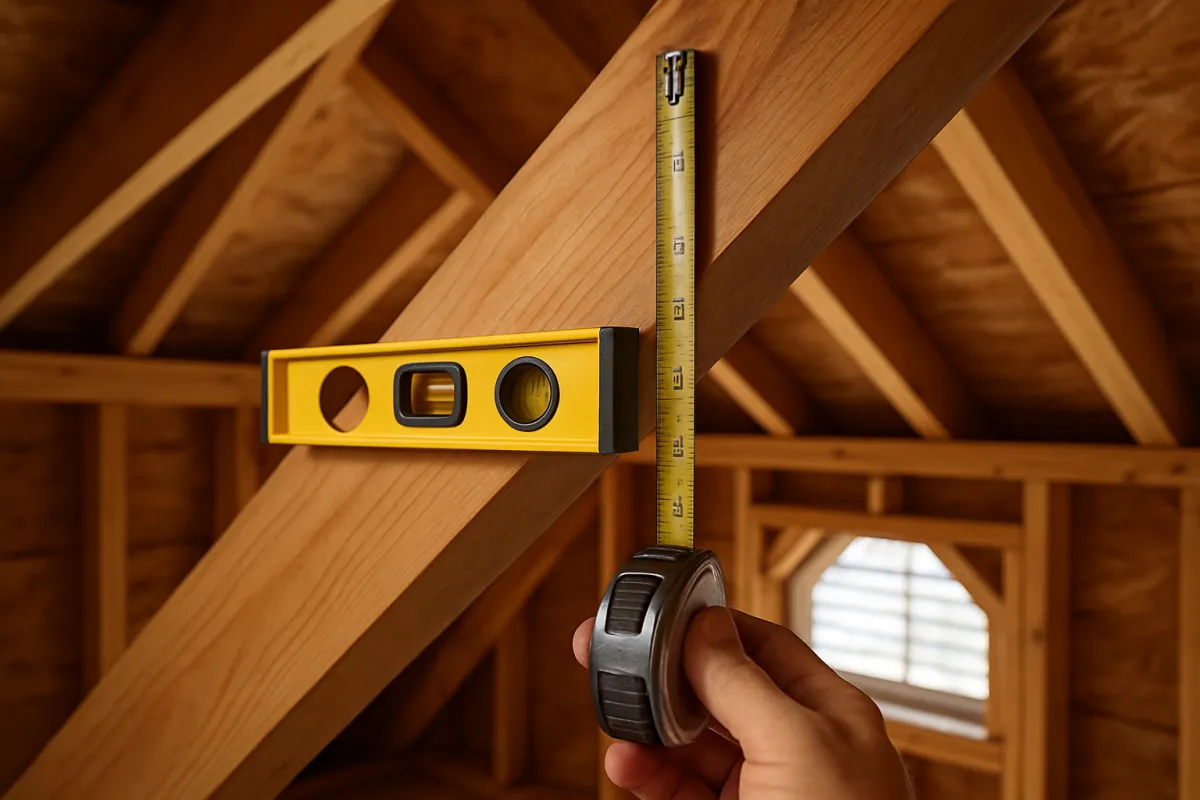
Because architectural shingles are the volume product most manufacturers and most roofing crews build their business around, pricing and availability across brands is relatively easy to compare, and the premium over three-tab is modest relative to the step up to metal or tile. For a straightforward reroof with no unusual aesthetic or durability requirement, architectural shingles deliver most of what a homeowner wants from a roof for meaningfully less than the premium materials above them.
Metal roofing: standing seam and metal shingles
Metal roofing sits well above asphalt on the cost scale, an illustrative 900 to 1,500 dollars per square installed with a midpoint near 1,200 for standing seam, the most common residential metal profile, where raised seams interlock to run continuous panels from ridge to eave. Metal shingles, which mimic the look of shingles or tile in a lighter metal panel, commonly price somewhere inside that same range depending on the profile and finish.
The premium buys a service life that commonly runs several decades longer than asphalt, a lighter overall roof weight despite the per-square cost, and strong resistance to fire and wind when installed correctly. The trade-offs are real too: metal roofing is a more specialized installation than shingles, fewer crews are equipped to install it well, and metal can be noticeably louder in heavy rain without additional insulation underneath, a detail some owners weigh seriously before committing to the material.
Tile and slate: the premium tier
Tile, commonly concrete or clay, and natural slate sit at the top of the cost scale, an illustrative 1,000 to 2,000 dollars per square installed with a common midpoint near 1,500, the highest among the four tiers this brief prices. Both materials are genuinely heavy, often requiring the roof structure itself to be engineered or reinforced to carry the load, a structural question that belongs to a qualified roofer and the local building department rather than to this brief.
Tile and slate’s case for the premium is a service life that can run many decades longer than any other material here when installed and maintained correctly, along with an appearance many owners specifically want and few other materials can replicate. The trade-offs are cost, weight that may demand structural reinforcement, and a specialized, often slower installation that fewer crews are equipped to perform, all of which show up in the bid before a single tile goes down.
Flat and low-slope roofs price differently
Everything above this point assumes a pitched roof covered in shingles, metal, or tile, measured in squares and scaled by a pitch multiplier. A flat or low-slope roof, common on additions, porches, and many commercial-style buildings, is a different system entirely, commonly a membrane such as TPO, EPDM rubber, or a modified bitumen rolled product, installed by a different trade than a shingle crew.
As an illustrative installed range, a flat membrane roof commonly runs somewhere around 7 to 14 dollars per square foot, which converts to roughly 700 to 1,400 dollars per square, a range that overlaps the upper end of asphalt shingles and the lower end of metal depending on the specific membrane and how many layers the job needs. The pitch multiplier this brief uses for sloped roofs does not apply here in any meaningful way, since a low-slope roof’s surface area tracks close to its footprint rather than being inflated by rise.
Low-slope roofing lives and dies on drainage and seam quality rather than on shingle overlap, since standing water is the primary threat a flat roof faces that a steep one rarely sees. A membrane roof’s service life commonly runs shorter than architectural shingles in many climates, though a well-installed and well-maintained system can perform for a couple of decades. If your roof, or a section of it, is flat or very low slope, price that section separately using a membrane contractor’s quote rather than stretching the pitched-roof rates in this brief to cover it, since the materials, the crew, and the failure modes are genuinely different trades.
What drives roof replacement cost
Beyond size and material, a handful of factors decide where a real bid lands inside the illustrative ranges, and knowing them explains why two roofs of a similar footprint can price thousands apart. Pitch comes first and is unique to roofing among the surfaces this site prices, since a steeper slope is simultaneously more actual surface area for the same footprint and slower, more hazardous work for the crew, both of which push the per-square rate up together rather than independently.
Stories and access follow: a second-storey roof needs scaffolding or extended ladder access and complicates material staging and debris removal, which adds labor that a single-storey roof never carries. Roof complexity, the count of hips, valleys, dormers, and penetrations, is next, since every one of those features generates more cut shingles, more flashing, and more linear feet of cap relative to a plain rectangular gable of the same area. Tear-off versus layover, covered next, and the condition of the deck underneath round out the list, and the market itself moves the number too, since roofing crews run on a seasonal calendar and the same job can bid differently after a regional storm than in a quiet season.
Tear-off versus a layover
A layover installs new shingles directly on top of a single existing layer without removing it first, and it is commonly the cheaper path, saving an illustrative 100 to 150 dollars per square by skipping the labor and disposal cost of stripping the old roof. Most jurisdictions and most shingle manufacturers’ warranties limit a layover to a single existing layer, so a roof that already carries two layers usually has no choice but a full tear-off.
The trade-off against the lower price is real: a layover means nobody opens up the deck to check for rot, soft spots, or hidden damage before the new roof goes down, and it adds a second layer of weight the structure has to carry. A tear-off costs more, but it is the only way anyone actually sees the sheathing underneath, which is why many roofers recommend it as the default and many insurers either require it or price a policy differently depending on which path a roof took.
Roof pitch and why steep roofs cost more
Pitch, the rise in inches per 12 inches of horizontal run, does two things to cost at once, and both push the same direction. First, geometry: the pitch multiplier, the square root of 144 plus the rise squared, divided by 12, lifts a flat footprint into a larger actual roof surface, and that multiplier only grows as pitch steepens, from essentially 1.0 on a nearly flat roof toward 1.4 or more on a very steep one. Second, labor: a steep roof is harder and more hazardous to work on, which commonly adds a separate steep-slope surcharge on top of the larger area the pitch has already created.
Our roof pitch manual works through measuring pitch from the ground or the attic and converting it into the multiplier this brief uses to scale footprint into surface area. The two effects compound rather than offset: a 2,200 square foot footprint at a 4 in 12 pitch reads a meaningfully smaller surface area, and usually no slope surcharge, than the same footprint at a 10 in 12 pitch, where both the area and the per-square labor rate run higher.
Roof complexity: hips, valleys, and dormers
A plain rectangular gable roof is the cheapest shape to cover for a given area, because its edges run in straight, predictable lines with minimal cutting. Add hips, where the roof planes meet at an angled corner rather than a vertical gable end, and valleys, where two planes meet at an inward angle, and the shingle waste climbs along with the linear feet of cap and flashing the job requires, independent of the roof’s total square footage.
Dormers, chimneys, and skylights add their own penalty in the same direction: each one needs flashing custom-fit around it and interrupts the simple overlapping course pattern that makes a plain roof fast to install. Our contractor estimate manual makes the general point that applies directly here: a per-square-foot rate assumes an average level of complexity, and a roof with substantially more edges, valleys, and penetrations than that average will price above the base rate even at an identical surface area.
Where the money goes
Understanding the split inside an installed roof price is what makes a bid legible, and roofing splits differently from most of the surfaces this site prices, because labor commonly makes up the largest single share rather than the material itself.
Where an installed asphalt shingle roof's cost goes
Illustrative split for a mid-size architectural shingle roof with a standard tear-off; shares shift with pitch, complexity, and access.
Unlike a material where the product itself dominates the bid, a roof's installation labor, especially the tear-off and the deck inspection and repair that comes with it, is commonly the largest single line.
Two conclusions follow from the split. First, labor is not where a tight budget should look to cut corners, since an underpaid or rushed crew on a roof at height is both a safety risk and a leak risk, which makes savings there expensive later rather than genuinely free. Second, the underlayment, flashing, and cap share, though the smallest of the three, is disproportionately responsible for whether the roof actually keeps water out, so a bid that trims this line to look cheaper deserves specific questions before it gets signed.
Roof replacement versus roof repair
Not every roofing problem needs a full replacement, and the honest first question is whether the roof’s remaining service life and the extent of the damage justify a repair instead. A handful of missing or damaged shingles after a storm, a single failed flashing point around a chimney or vent, or an isolated leak are commonly repair jobs, priced per visit rather than per square, and often a fraction of a full replacement’s cost.
A roof nearing or past the end of its material’s typical service life, widespread granule loss, curling shingles across the whole field, or repeated leaks in different locations are commonly signs that a repair is a short-term patch on a roof that needs full replacement soon regardless. Our material estimating manual frames the same judgment call in general terms: spend on a repair when it genuinely buys meaningful remaining life, and treat a replacement as the honest answer when it does not.
Permits and inspections
A roof replacement is commonly a permitted project in most jurisdictions, particularly when the work includes a tear-off to the deck or any structural repair, and skipping that step is a real risk rather than a shortcut. A permit and the inspection that follows confirm the underlayment, flashing, and fastening pattern meet the locally adopted code, protections that matter both for the roof’s actual performance and for a future home sale, where an unpermitted major roofing job can complicate the transaction.
Permit fees themselves are a modest line relative to the overall project cost in most places, but a bid that is vague about whether it includes the permit, or that suggests skipping it to save money, is worth questioning directly. Treat permitting on a roof the same way this site treats a vague answer on any other structural scope: not a savings, an unfinished bid.
Warranty and how long each material lasts
Material drives both cost and expected service life together, and the honest comparison needs both numbers rather than price alone. Three-tab asphalt commonly carries a shorter typical service life and a more modest manufacturer warranty than architectural shingles, which themselves commonly outlast three-tab by a meaningful margin under similar conditions. Metal and tile or slate commonly carry the longest typical service lives of the group, often several decades beyond what either asphalt tier delivers, which is a real part of what their higher purchase price buys.

Manufacturer warranty terms vary considerably even within a single material tier, and the labor warranty a roofing contractor offers on their own installation is a separate, equally important figure that a material’s manufacturer warranty does not cover. Confirm both before treating any single roofing bid as directly comparable to another, since a lower price paired with a shorter labor warranty is not automatically the better deal.
Storm damage and insurance claims
A roof damaged by hail, wind, or a fallen limb is commonly a homeowners insurance claim rather than an out-of-pocket replacement, and the claims process runs on its own timeline separate from the cost figures in this brief. An adjuster typically inspects the roof to determine whether the damage is covered and whether the policy calls for a repair or a full replacement, and the condition of the roof before the storm, its age and prior maintenance, often factors into that determination.
This brief prices roofing work by material and size, not insurance policy terms, deductibles, or claim procedures, which vary by carrier, policy, and jurisdiction and are not something an estimating article should generalize about as fact. If storm damage is the reason a roof needs replacing, confirm coverage, the claims process, and any contractor your insurer requires or recommends directly with your insurance provider before signing a contract based on an assumption about what the policy pays.
DIY roof replacement cost
Labor is the largest single share of most roofing bids, so the saving from self-performing the work is real on paper, and asphalt shingle installation itself is mechanically approachable: a starter course, a nailing pattern specified by the manufacturer, and overlapping courses working up the slope. A motivated, careful homeowner can physically complete a simple gable roof in asphalt shingles.
The honest caution here is heavier than almost anywhere else on this site, because roofing work happens at height, on an inclined surface, often with limited footing, and a fall from a roof is a leading cause of serious construction injury nationally. Weigh that risk with real seriousness against the labor dollars saved, confirm your local permit requirements before starting, and consider hiring at minimum the tear-off and a professional deck inspection, where fall protection equipment and experience matter most, even if you plan to self-perform the shingle installation itself.
From price per square to your total
Turning the rates in this brief into your own planning number is three steps. First, measure the footprint and the pitch: length times width in feet for the house’s plan area, and pitch read from the attic or the ground, as our roof pitch manual shows. Second, apply the pitch multiplier to convert footprint into actual roof surface area, then divide by 100 to get squares.
Third, pick the installed rate for your material, an illustrative 400 dollars for three-tab, 550 architectural, 1,200 metal, 1,500 tile, and multiply by your squares. A 2,200 square foot footprint at a 6 in 12 pitch is about 24.6 squares, and at 550 dollars per square that is roughly 13,500 dollars for the architectural tier. Add a tear-off line, an illustrative 125 dollars per square, if an existing roof has to come off first, and the result is a defensible planning figure rather than a quote. The companion below runs this entire method live on your own numbers as you read.
Ways to keep roof replacement cost down
A roofing budget has real levers, and material is the most visible one: the same roof in three-tab asphalt at an illustrative 400 dollars per square versus architectural at 550 is a meaningful saving for a roof that still performs its core job well, while metal and tile sit well above both for owners who value their longer service life enough to pay for it. Timing a reroof outside the busiest regional storm season, where roofing crews are in highest demand, can also soften pricing in markets where seasonal demand swings are significant.
A layover instead of a tear-off saves real money where it is permitted and where the existing deck is known to be sound, though the caution about not inspecting the deck applies in full. What should never be cut is the underlayment, flashing, and fastening pattern, since those are the parts of the job that actually keep water out, and a bid that trims them to look cheaper is not a deal, it is a future leak waiting on the next heavy rain.
Comparing roofing bids line by line
A roofing bid that looks like a single lump sum is the hardest one to compare against another, since a lower total can hide a thinner scope rather than a better price. Ask every bidder to itemize tear-off and disposal, deck inspection and the rate for any sheathing replacement found, underlayment type, flashing at every valley and penetration, starter strip, field shingles or panels, ridge and hip cap, and ventilation work if the scope includes it, so the line items can actually be checked against each other rather than just the bottom line.
Two bids on the same roof that differ by several thousand dollars commonly differ in one of a few places: the underlayment specified, synthetic versus traditional felt, the flashing detail at valleys, the labor warranty length, or whether a tear-off and full deck inspection is actually included rather than assumed. A bid that is unusually low relative to the others is worth asking about directly rather than simply accepting, since the gap is rarely free money and is more often a thinner scope, a shorter warranty, or a subcontracted crew with less oversight.
Licensing, insurance, and a physical local address are baseline checks worth confirming before any bid is signed, since roofing work carries real liability exposure for both the homeowner and the crew on the roof. A written contract specifying the material, the manufacturer and product line by name, the warranty terms for both material and labor, and a start and completion window protects both sides and gives you something concrete to hold a contractor to if the finished job does not match what was quoted.
A worked example: a 2,000 square foot roof priced
Take the common case end to end: a house with a 2,000 square foot footprint, a 6 in 12 pitch, a simple gable shape with no major hips or valleys, needing a full tear-off of a single existing shingle layer. The pitch multiplier at 6 in 12 is the square root of 144 plus 36, divided by 12, about 1.118, which lifts the footprint to roughly 2,236 square feet of actual roof surface, about 22.4 squares.
At the illustrative architectural shingle midpoint of 550 dollars per square, the roof itself prices near 12,300 dollars. Add the tear-off, about 22.4 squares at an illustrative 125 dollars per square, roughly 2,800 dollars, and the planning total lands near 15,100 dollars. Flex the material lever on the same roof surface: the same job in three-tab asphalt runs near 8,900 dollars before tear-off, in metal standing seam near 26,800, in tile or slate near 33,500. The surface area barely moves across those four figures, since the deck underneath is the same regardless of what covers it, which is the entire lesson of this brief: price your own footprint and pitch in the companion below and watch the material lever move your number far more than almost any other single choice.
The bottom line
Roof replacement cost comes down to a short list in a fixed order: footprint, pitch, material, and the tear-off or layover decision all of it rests on. Carry the illustrative rates, 350 to 450 dollars per square for three-tab, 450 to 650 for architectural with a midpoint near 550, 900 to 1,500 for metal, and 1,000 to 2,000 for tile or slate, then convert your footprint to actual roof surface with the pitch multiplier before multiplying by the rate.
Remember that a roof’s surface area is always larger than the house’s flat footprint, sometimes substantially so on a steep pitch, and that labor, especially the tear-off and deck inspection, is commonly the largest single share of the bid rather than the material itself. Measure with the estimator, price your material and pitch in the companion below, read our shingle quantity manual for the physical bundle count, then collect written bids that all cover the same tear-off, underlayment, and flashing scope. A roof priced that way arrives as a decision, not a surprise.
This cost brief is workbench education for planning a roof replacement budget, not a quote, a design, or a roofing specification. Every dollar figure in it, per square, by material, and by project, is an illustrative planning number, and your pitch, roof complexity, deck condition, local labor market, and season will each move a real bid, sometimes substantially. Roofing work carries a real risk of serious injury at height, and the structural, code, and warranty questions involved, deck condition, fastening pattern, flashing details, and any insurance claim, depend on your specific roof and must be assessed by a qualified roofer, your local building department, or your insurance provider rather than by a general article. Build your actual budget on current written bids from local roofing contractors, not on any single figure printed here.
Frequently asked questions
How much does it cost to replace a roof?
As an illustrative planning range, a standard architectural asphalt shingle roof commonly runs somewhere around 450 to 650 dollars per square installed, with a working midpoint near 550 dollars, where a square is 100 square feet of roof surface. Budget three-tab asphalt a step below that, near 400 dollars, and metal or tile well above it. A typical single-storey house with a roof surface near 2,200 square feet, about 22 squares, lands near 12,000 to 13,000 dollars at the architectural shingle midpoint before tear-off, pitch, or complexity move the figure. Collect written local bids before treating any single number as a budget.
How much does a roof cost per square?
A roofing square is exactly 100 square feet of roof surface, the unit the trade actually quotes in rather than the whole-roof total. As illustrative installed figures, three-tab asphalt shingles commonly run near 400 dollars per square, architectural or dimensional asphalt shingles near 550, metal standing seam near 1,200, and tile or slate near 1,500. Multiply your roof's surface area in squares by the rate for your material to get a planning figure, keeping in mind that roof surface area is larger than the house's footprint once the pitch is accounted for.
How much does a metal roof cost compared to asphalt shingles?
As illustrative installed rates, a standing seam metal roof commonly runs near 1,200 dollars per square against an architectural asphalt shingle roof near 550, so metal typically prices at roughly double to a bit more than double the asphalt figure for the same roof. The premium buys a much longer service life, often several decades beyond what asphalt shingles commonly deliver, and a lighter weight that some structures prefer. For an owner planning to stay in a home for decades, metal's higher purchase price is partly a maintenance and replacement-cycle trade rather than a pure premium, but the day-one bill is genuinely higher.
How much does it cost to replace a 2,000 square foot roof?
At a 6 in 12 pitch, a 2,000 square foot footprint works out to roughly 2,236 square feet of actual roof surface once the slope is accounted for, about 22.4 squares. At the illustrative architectural shingle midpoint of 550 dollars per square that lands near 12,300 dollars installed, before any tear-off of an old roof is added. Step the same roof to three-tab asphalt near 400 dollars per square and it reads closer to 8,900 dollars; step it to metal standing seam near 1,200 and it climbs to roughly 26,800. Steeper pitches and more complex shapes push every one of those figures higher.
Is a layover cheaper than a full tear-off?
A layover, installing new shingles directly over one existing layer without stripping it first, is commonly cheaper up front because it skips the labor and disposal cost of removing the old roof, often saving an illustrative 100 to 150 dollars per square. The trade-off is real: a layover is only possible over a single existing layer in most jurisdictions, it adds weight the structure has to carry, and it means nobody inspects the deck underneath for rot or soft spots before the new roof goes down. A tear-off costs more but is the only way to actually see the deck, which is why many roofers and most insurers treat it as the standard rather than the exception.
What makes a roof replacement cost more than the average?
Pitch is the first lever: a steep roof is both more roof surface for the same footprint and slower, more dangerous work, so the per-square labor rate climbs with slope. Complexity is the second: a roof with several hips, valleys, and dormers generates far more cut shingles, more flashing, and more linear feet of cap than a plain rectangular gable of the same area. A tear-off instead of a layover, a second storey that complicates staging and material hauling, a steep-slope access charge, and a full deck replacement if the sheathing underneath is rotten all add real cost on top of the base per-square rate.
How long does a roof replacement take?
A straightforward asphalt shingle roof on a single-storey house with a simple gable commonly takes an illustrative one to three days for tear-off, deck repair where needed, and the new roof itself, with weather the main variable since roofing is not a rain-day trade. A larger or more complex roof with multiple hips, valleys, and dormers, or a metal or tile roof that installs more slowly than shingles, commonly stretches to a week or more. Multi-storey access, a full deck replacement, and the crew size a contractor assigns all move the timeline independently of the roof's area.
Can I replace my own roof to save money?
Labor is the largest line in most roofing bids, so the saving from doing it yourself is real on paper, and asphalt shingle installation is mechanically straightforward: a nailing pattern, a starter course, and overlapping courses up the slope. The honest caution is heavier here than on almost any other project this site prices, because roofing work happens at height, on a sloped surface, often in wind, and a fall is a leading cause of serious construction injury. Weigh that risk seriously against the saving, confirm your local permit requirements before starting, and consider at minimum hiring the tear-off and deck inspection to a crew with proper fall protection even if you self-perform the shingle installation.