What's on this page
- Sod installation cost per square foot
- Sod installation cost by lawn size
- Sod installation cost by grass tier
- Standard sod: the everyday lawn
- Premium sod: the upgrade tier
- Ground prep cost: minimal versus full
- What drives sod installation cost
- Sod material versus laying labor: where the split lands
- Where the money goes
- New lawn versus patching bare spots
- Sod versus seed on the cost question
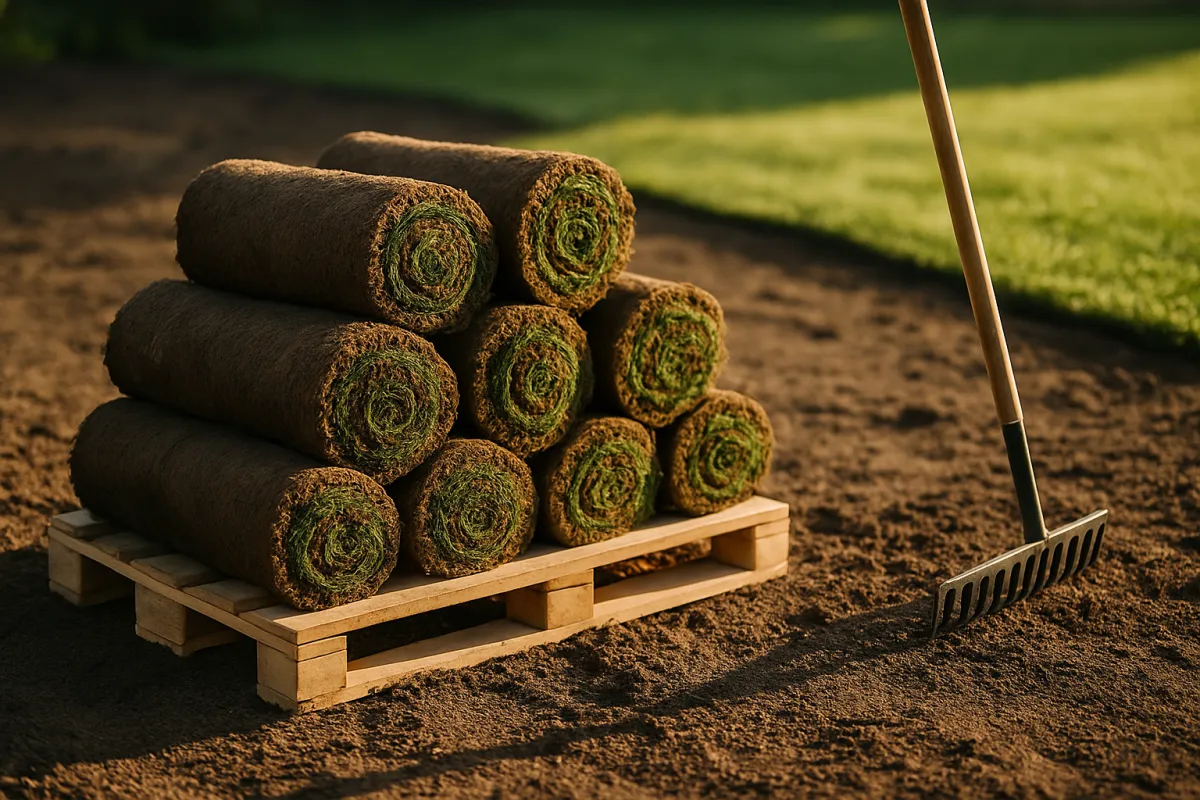
- Delivery, pallets, and why timing matters
- Soil testing and amendment cost
- Irrigation and watering cost after installation
- DIY sod installation cost
- From price per square foot to your total
- Permits and HOA rules
- Regional and seasonal cost swings
- Ways to keep sod installation cost down
- Comparing sod installation bids line by line
- The first six weeks: establishment and why it matters to the budget
- A worked example: a 1,000 square foot backyard sodded
- The bottom line
Short answer: As an illustrative planning range, standard sod, material and basic laying labor together, commonly runs 0.80 to 1.50 dollars per square foot, with a working midpoint near 1.15 dollars, before ground prep is added. Minimal prep on an already reasonably level yard adds roughly 0.25 dollars per square foot; full prep, grading, soil amendment, and old lawn removal, adds closer to 0.75. A 1,000 square foot lawn at the standard tier with minimal prep lands near 1,400 dollars; the same lawn in a premium grass tier with full prep climbs to roughly 2,750.
Sod installation cost looks like a single per-square-foot number and behaves like three separate decisions stacked together: the grass tier itself, how much the ground needs before sod can go down, and how large the lawn actually is once it is properly measured. Skip any one of those three and a quoted rate stops meaning much, since a yard that needs real grading prices nothing like a yard that is already level, even at the identical grass tier.
This cost brief prices sod the way a landscaping contractor actually quotes one: per square foot of lawn area, scaled to common lawn sizes, broken out by grass tier and prep scope, and separated into material, labor, prep, and delivery the way a real estimate has to be. It sits alongside our sod quantity manual for the physical takeoff, the net square footage and pallet count, this brief prices on top of, and our topsoil manual for pricing soil brought in during a full prep scope. Run your own lawn area through the estimator or the companion below as you read.
Key takeaways
- Standard sod commonly runs an illustrative 0.80 to 1.50 dollars per square foot installed, midpoint near 1.15; a premium or specialty grass tier runs closer to 2.00, roughly 75 percent more.
- Ground prep is a separate line from the sod itself: minimal prep on an already level yard adds roughly 0.25 dollars per square foot, full grading and soil work closer to 0.75.
- A sod bid prices net lawn area the way our sod quantity manual measures it, beds, paths, and structures deducted, with a waste allowance layered on top for curved edges and pallet rounding.
- Sod is a perishable product that needs to go down within about a day or two of delivery, which makes finishing ground prep before the pallets arrive the single most important scheduling rule in this brief.
- Every dollar figure here is illustrative and local: your lawn's area, soil condition, grass tier, and region set the real number, so measure and collect written bids.
Sod installation cost per square foot
The cleanest unit for pricing sod is dollars per square foot of net lawn area, because that is the unit most landscaping contractors quote in and the one unit that lets a small side yard and a large backyard compare fairly. As an illustrative planning range, standard sod, the material and the basic labor to lay it, commonly runs somewhere around 0.80 to 1.50 dollars per square foot, with a working midpoint near 1.15 dollars.
That installed figure bundles the turf itself and the labor to cut, place, and fit it tightly against neighboring pieces in a staggered, brick-like pattern, but it does not include ground prep, which this brief prices as a separate line next, or delivery, which commonly folds into either figure depending on the supplier. Our sod quantity manual prices the physical takeoff, the net square footage and the pallet count, but converting that into a dollar figure needs the installed rate this brief works through. The companion below runs the math on your own lawn as you go.
Sod installation cost by lawn size
Size is the first multiplier, and on a sod job it is always net lawn area, beds, paths, patios, and structures deducted, never the property’s full lot size. The table below prices common lawn areas at the illustrative standard sod rate with minimal prep, roughly 1.40 dollars per square foot combined.
| Lawn area | Illustrative total at ~$1.40/sq ft |
|---|---|
| 500 sq ft | ~$700 |
| 1,000 sq ft | ~$1,400 |
| 1,500 sq ft | ~$2,100 |
| 2,500 sq ft | ~$3,500 |
| 4,000 sq ft | ~$5,600 |
| 6,000 sq ft | ~$8,400 |
Read every row as a starting point, not a quote. Step up to a premium grass tier and the same 1,500 square foot lawn reads closer to 3,375 dollars; add full ground prep instead of minimal and a 1,500 square foot standard-tier lawn climbs to roughly 2,850. Our sod quantity manual covers measuring your own net lawn area in full, including the waste allowance for curved bed edges, and the estimator turns a measured perimeter into square footage in seconds.
Sod installation cost by grass tier
Grass tier is the second fork in a sod estimate, and because the ground underneath stays the same regardless of what grows on it, tier choice is a meaningful share of how one lawn’s bid compares with another of similar size. The chart below places four common scenarios side by side on illustrative all-in cost per square foot, sod and minimal or full ground prep combined, and the sections that follow take the tier question in turn.
Illustrative all-in cost per square foot, sod plus ground prep
Sod material, laying labor, and ground prep together; local labor, soil condition, and lawn shape move every bar.
Grass tier and prep scope move the bar independently of each other, which is the main lesson of this chart: a premium grass tier on an already-level yard can still cost less than a standard tier on a yard that genuinely needs full grading.
The soil and grading underneath every one of these scenarios does the same job regardless of what tier of sod eventually covers it. What you buy as you climb the chart is either a grass suited to a harder growing condition, shade, drought, or heavy foot traffic, or the labor to fix a yard’s grade and soil before any grass goes down, which is worth remembering when a budget tightens, since the two levers can be pulled independently of each other.
Standard sod: the everyday lawn
Standard sod, a common everyday blend suited to ordinary sun and foot-traffic conditions, is the baseline of this range, an illustrative 0.80 to 1.50 dollars per square foot installed with a midpoint near 1.15. It is the default choice for a straightforward residential lawn with reasonably even sun exposure and no unusual drainage or shade challenge.
Because standard sod is the volume product most growers and most landscaping crews build their business around, pricing and availability are relatively easy to compare across suppliers, and a standard lawn is generally the fastest tier to source on short notice. For a yard with no particular challenge beyond simply wanting an established lawn quickly, standard sod delivers most of what most owners want from a resod for meaningfully less than the premium tier above it.
Premium sod: the upgrade tier
Premium or specialty sod, chosen specifically for shade tolerance, drought tolerance, a finer blade texture, or a blend suited to heavier foot traffic than a standard lawn sees, sits above standard, an illustrative 1.50 to 2.50 dollars per square foot installed with a midpoint near 2.00, roughly 75 percent more than the standard tier at the same prep scope.
The premium buys a grass genuinely better suited to a specific condition a standard blend may struggle with, a shaded side yard under mature trees, a region with real water restrictions, or a backyard that doubles as a play area. Whether the premium is worth paying depends on whether your yard actually has that condition. A premium shade blend on a fully sunny lawn, or a drought-tolerant blend in a region with abundant rainfall, spends money solving a problem the yard does not have.
Ground prep cost: minimal versus full
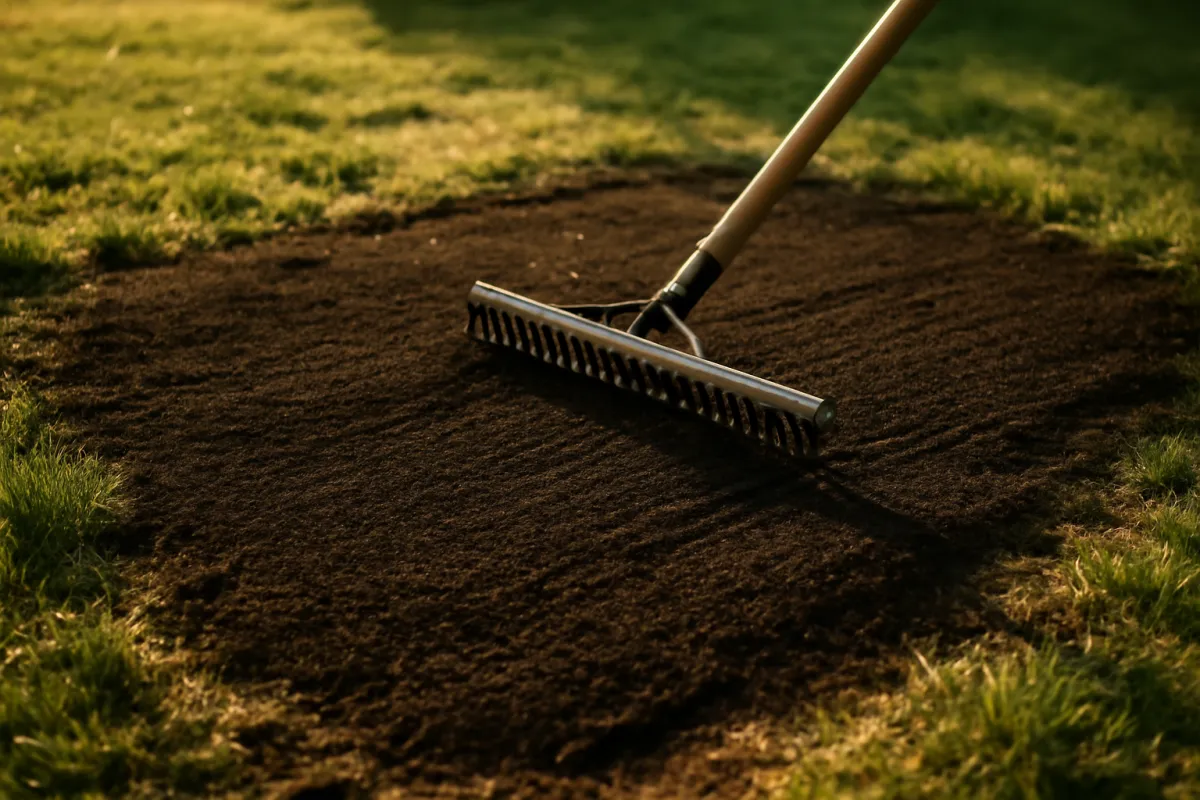
Ground prep is the part of a sod job most easily underestimated, and it is priced separately from the sod itself for good reason: the labor and material it needs varies enormously depending on the yard’s starting condition, far more than the grass tier choice does. Minimal prep, light tilling, raking, and removing surface debris on a yard that is already reasonably level and well draining, commonly adds an illustrative 0.25 dollars per square foot on top of the sod rate.
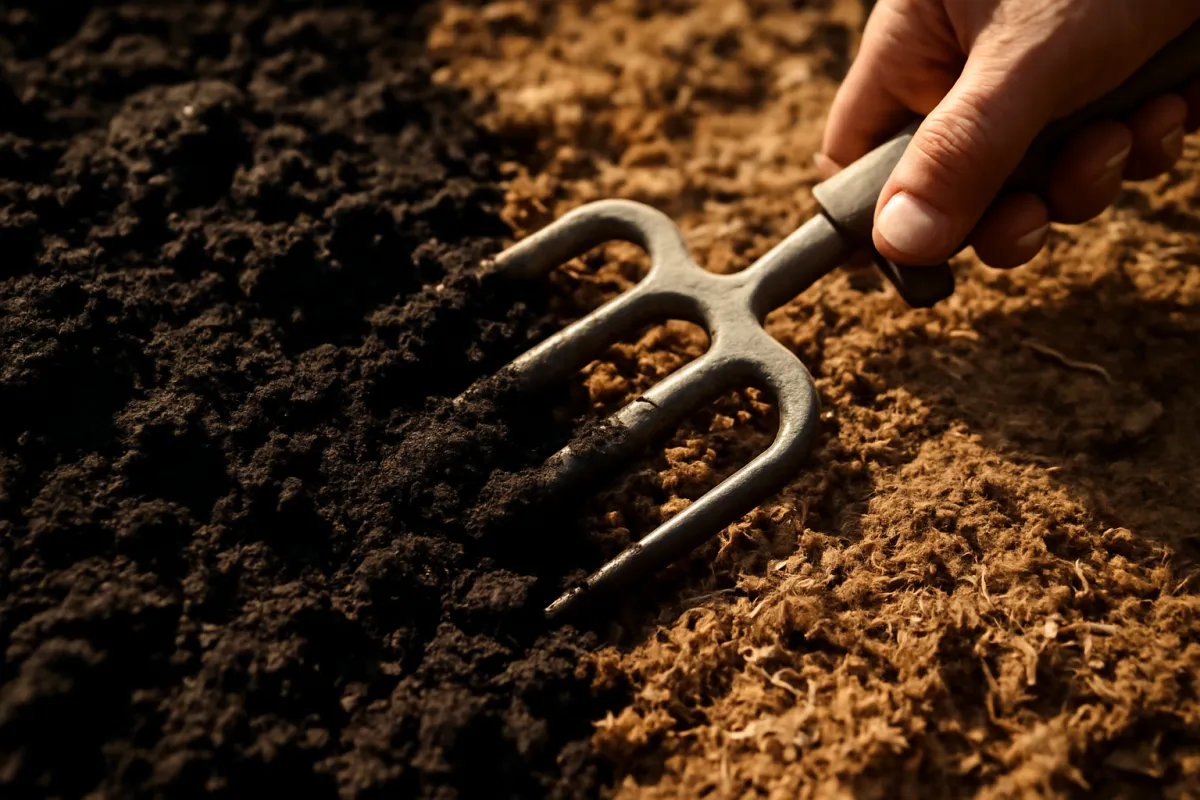
Full prep, grading the yard to a proper slope away from the house, removing an old lawn down to bare soil, and bringing in new topsoil where the existing soil is compacted, rocky, or otherwise poor, commonly adds closer to 0.75 dollars per square foot, three times the minimal figure. Skipping needed prep to save that line is one of the more common mistakes in a sod project, since sod laid over poorly graded or compacted soil commonly struggles to root regardless of how much was spent on the grass tier itself.
What drives sod installation cost
Beyond size, tier, and prep scope, a handful of factors decide where a real bid lands inside the illustrative ranges, and knowing them explains why two lawns of a similar area can price apart. Lawn shape comes first: a yard with many curved bed edges, islands, and obstacles generates more cut pieces and more waste than a plain rectangular lawn of the same net area, the same waste-allowance logic our sod quantity manual works through for the physical takeoff.
Access follows closely: a backyard reachable only through a narrow side gate needs pallets broken down and hand-carried rather than delivered by forklift close to the work area, which adds real labor time. Slope matters too, since a yard with any real grade needs careful staking or pinning on steeper sections to keep fresh sod from sliding before it roots, even when the square footage itself stays modest. Finally, the season and the local supply of fresh-cut sod both move pricing and availability independently of the yard itself.
Sod material versus laying labor: where the split lands
A sod job’s installed rate is not one cost, it is material and labor bundled together in a way that differs from a product like gravel or concrete, where the raw material and the labor to place it are far more separable. Sod itself, grown and harvested turf delivered on pallets, is a genuine material cost that scales with the grass tier chosen, while laying labor, the cutting, fitting, and tight staggered placement of each piece, scales mainly with lawn shape and crew efficiency rather than with the grass tier.
That split matters for anyone weighing a do-it-yourself installation, since buying sod directly from a grower and laying it yourself captures the laying labor share of the bid while still paying full price for the material itself, the larger of the two shares on most jobs. Ground prep, covered separately above, is its own labor-heavy line that sits outside this material-versus-labor split entirely.
Where the money goes
Understanding the split inside an installed sod price is what makes a bid legible, and the split shifts with prep scope, but a generalized breakdown holds reasonably well across the common standard and premium tiers.
Where an installed sod job's total cost goes
Illustrative split for a mid-size lawn with minimal to moderate prep; shares shift with grass tier and the yard's starting condition.
Ground prep is close enough to the material share that it is worth real attention on a budget, not a line to assume away. A yard that skips needed grading to save that 30 percent commonly pays for it later in a lawn that never establishes evenly.
Two conclusions follow from the split. First, prep is a large enough share that a bid vague about what prep is actually included deserves a direct question, since skipping it is where a cheap-looking bid most often hides its savings. Second, delivery is a real cost specifically because sod is heavy and perishable, a combination gravel and most other bulk materials this site prices do not share in the same way.
New lawn versus patching bare spots
A full resod, replacing an entire lawn or a large section of one, prices by the per-square-foot rates this brief works through, scaling directly with the net area involved. Patching a handful of bare or damaged spots in an otherwise healthy lawn is a different scenario entirely, commonly priced with a real minimum charge regardless of how small the patch is, since a crew still has to source, cut, and match sod to the existing lawn’s grass type and grade for even a few square feet of repair.
The honest first question on a patchy lawn is whether the bare spots are isolated, worth a small patch job, or symptomatic of a wider problem, poor drainage, compacted soil, or a grass variety poorly matched to the yard’s actual sun exposure, that will keep producing new bare spots regardless of how many patches go down. A full resod addresses the underlying cause when prep is done correctly; a patch addresses only the visible symptom.
Matching an existing lawn’s grass type and color closely enough that a patch does not read as a visible seam is a real skill gap between installers, and it is worth asking any patch crew directly how they source sod that matches rather than assuming any standard tier will blend in. A mismatched patch, even one laid with perfect technique, can stay visibly different from the surrounding lawn for an entire growing season or longer, which is a cosmetic outcome worth weighing against the lower cost of a quick patch job.
Sod versus seed on the cost question
Sod is commonly more expensive up front than seeding the same area, often several times the material and labor cost, since sod is already-grown turf that is cut, delivered, and laid, while seed is a comparatively inexpensive product that still needs weeks of watering, protection, and growth before it becomes a usable lawn. The honest comparison has to weigh that upfront premium against what sod buys in return.
What sod buys is speed and certainty: an established, walkable, largely weed-free lawn within roughly two to three weeks of installation rather than the many weeks or months seed commonly needs to fill in fully, plus far less vulnerability to erosion, birds eating seed, and the patchy, uneven germination a seeded lawn can show if watering is inconsistent during establishment. A tight deadline, a slope prone to erosion, or a family that wants to use the yard soon all favor sod despite the higher price; a flexible timeline and a lower budget favor seed.
Delivery, pallets, and why timing matters
Sod is a perishable, grown product, and that single fact drives more of its logistics than any other material this site prices. Fresh-cut sod needs to go down within roughly 24 to 48 hours of delivery and be watered immediately once laid, since rolled sod left stacked on a pallet generates heat and begins to deteriorate within a day or two, especially in warm weather.
That perishability is why ground prep genuinely has to be finished before the pallets arrive, not started after, and why a sod order is scheduled for a specific delivery day rather than held in reserve the way a pile of gravel or a stack of lumber can be. A delivery truck or forklift access to get pallets close to the work area also matters more on a sod job than on most, since each pallet weighs on the order of a ton and hand-carrying rolls a long distance from a street-side drop adds real labor time on a job where speed already matters.
Soil testing and amendment cost
A soil test, commonly a modest cost through a local extension service or a garden center test kit, is a small line relative to the overall project and the cheapest way to confirm whether a yard’s soil needs amendment before new sod goes down. Poor soil, heavily compacted, overly sandy, or lacking organic matter, can undermine even a premium grass tier’s rooting regardless of how carefully the sod itself was grown and laid.
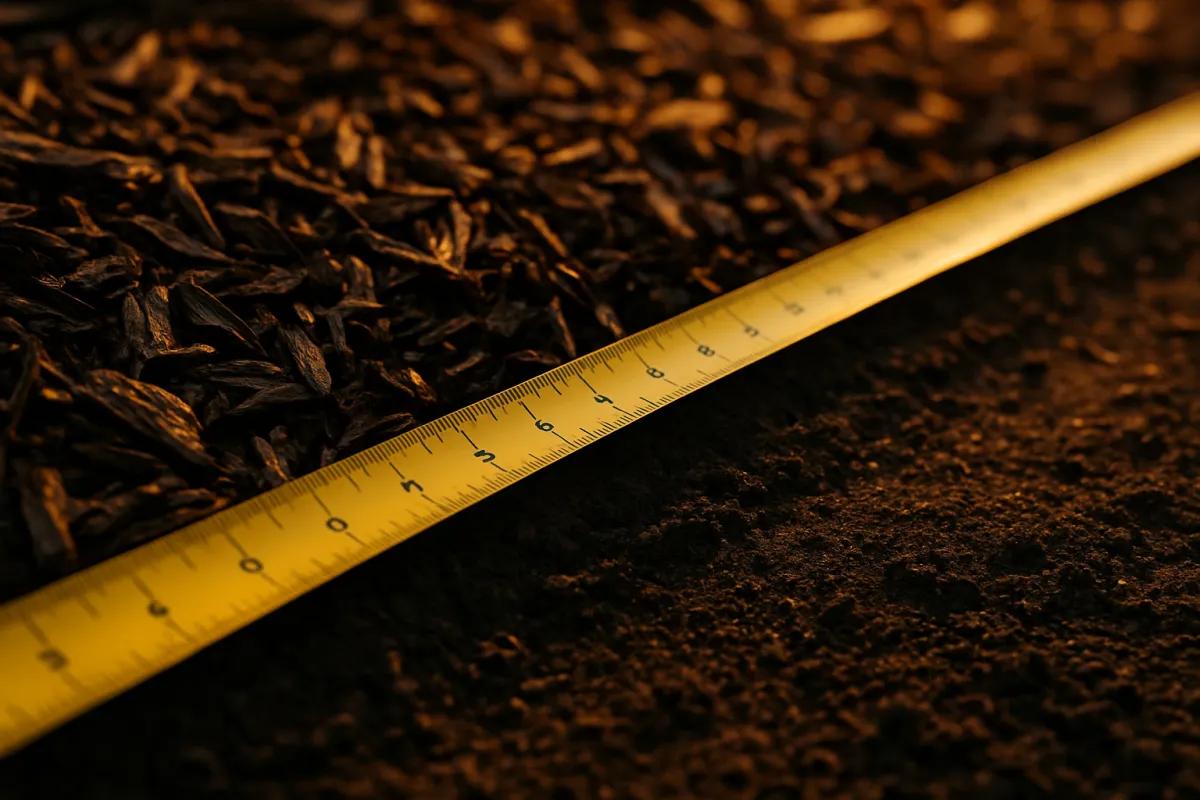
When a test or a visual check of the soil’s texture and drainage suggests amendment is warranted, compost or other organic matter worked into the top several inches before sod goes down, that work folds into the full prep scope this brief prices separately above. Skipping an indicated amendment to save money up front is one of the more common ways a new lawn underperforms in its first year despite an otherwise correctly installed sod job.
Irrigation and watering cost after installation
New sod needs frequent, consistent watering for its first two to three weeks, commonly daily in the early period, to keep the root zone moist while new roots establish into the soil beneath. An existing automatic irrigation system that already covers the lawn area is a real cost advantage during establishment, since hand-watering a full lawn consistently enough, twice a day in hot weather, is a genuine time commitment that catches many owners off guard after they have budgeted for the sod itself.
A yard with no irrigation system is not disqualified from sod, but the watering commitment during establishment should be planned for honestly before installation day, including who will handle it if the household travels during that two to three week window, since a lapse in watering during establishment is one of the most common reasons a newly sodded lawn fails in patches.
DIY sod installation cost
Labor is a real share of a sod job, so the saving from self-installing is genuine, and laying sod is one of the more approachable parts of a landscaping project for a motivated do-it-yourself effort with enough helpers on hand, since the technique itself, tight staggered joints and firm soil contact with no gaps, is conceptually simple compared with a trade skill that takes years to master.
The real constraint is timing rather than skill: sod’s perishability means the ground prep has to be fully finished and enough hands have to be available before the pallets arrive, not scrambled together after delivery day. A homeowner laying sod alone on a lawn of any real size commonly underestimates how physically demanding and time sensitive the work is once a ton or more of sod is sitting on pallets in the driveway generating heat in the sun.
From price per square foot to your total
Turning the rates in this brief into your own planning number is three steps. First, measure the net lawn area: beds, paths, patios, and structures deducted, plus a waste allowance for curved edges, as our sod quantity manual works through in full. Second, pick the installed rate for your grass tier, an illustrative 1.15 dollars for standard, 2.00 for premium, and add the prep rate for your yard’s condition, 0.25 minimal or 0.75 full.
Third, multiply the lawn area by the combined rate for the base figure, then adjust for what the base rate cannot see: add for a tight-access yard that needs hand-carried pallets, for a soil amendment a test indicates is needed, and for any irrigation gap that needs covering during establishment. A 1,000 square foot lawn at the standard tier with minimal prep is roughly 1,400 dollars. The companion below runs this entire method live on your own numbers as you read.
Permits and HOA rules
Sod itself rarely needs a building permit, but a yard regrading project that changes drainage patterns toward a neighboring property or a public right of way can trigger local review in some jurisdictions, worth confirming before significant grading work begins as part of a full prep scope. Many homeowner associations also carry specific rules about acceptable grass types, maximum lawn height, or watering schedules, particularly in regions with water restrictions, and checking those rules before ordering a specific grass tier avoids an expensive mismatch.
Municipal water restrictions, where they exist, can also directly affect the establishment watering a new sod job needs during its first two to three weeks, so confirming whether your area allows the watering frequency new sod requires, or whether an exception process exists for new landscaping, is worth doing before committing to an installation date.
Some municipalities and utilities offer a temporary watering variance specifically for newly installed sod, recognizing that establishment watering is a short, defined window rather than an ongoing exemption from normal restrictions. Asking the local water authority directly, rather than assuming a standard restriction applies without exception, can save a new lawn from struggling through its most vulnerable weeks on a watering schedule that was never designed with fresh sod in mind.
Regional and seasonal cost swings
Every rate in this brief is a national illustrative figure, and the real number in any one market moves with local labor costs, the distance to the nearest sod farm, and the specific grass varieties grown regionally, since sod, unlike many materials this site prices, is both perishable and regionally specific in a way that limits how far it reasonably ships. Markets near active sod farms commonly see lower material costs and more grass tier options than markets that import sod a longer distance.
Sod installation also runs on a real planting calendar tied to grass type and climate, with cool-season grasses commonly best established in early fall or spring and warm-season grasses commonly best established in late spring through summer in most regions. Installing outside a grass type’s preferred window does not make sod unavailable, but it raises the establishment risk and is worth discussing directly with a local supplier rather than assuming any time of year works equally well.
Ways to keep sod installation cost down
A sod budget has real levers, and grass tier is the most visible one: the same lawn area in standard sod at an illustrative 1.15 dollars per square foot versus premium at 2.00 is a meaningful jump for comparable coverage, so confirming your yard genuinely needs the premium tier’s shade or drought tolerance before specifying it captures a real saving. Doing your own ground prep where the skills and equipment genuinely support it, light tilling and raking on an already reasonably level yard, is the next lever, though a yard that needs real grading is a poor place to cut corners.
Timing a sod order to the grass type’s preferred planting window, rather than forcing an off-season installation, improves establishment odds and can avoid the higher failure-rate risk that sometimes comes with a steep discount on out-of-season sod. What should never be cut is needed ground prep: sod laid over unaddressed compaction or poor grading is a lawn that looks fine on delivery day and struggles within the first season, which costs far more to fix than the prep would have.
Comparing sod installation bids line by line
A sod bid that reads as a single lump sum is the hardest one to compare against another, since a lower total can hide a thinner prep scope rather than a genuinely better price. Ask every bidder to itemize the grass tier by name, what ground prep is actually included, grading, old lawn removal, soil amendment, whether delivery and the first watering are included, and what happens if a section of sod fails to establish within the first few weeks.
Two bids on the same lawn that differ by several hundred dollars commonly differ in one of a few places: whether full grading is genuinely included rather than assumed, whether old lawn removal is priced in, or whether the grass tier quoted is actually the premium variety named rather than a standard blend substituted to look competitive. A bid that is unusually low relative to the others deserves a direct question about prep scope specifically, since that is the single easiest place for a bid to quietly undercut its competitors.
The first six weeks: establishment and why it matters to the budget
A newly laid lawn is not finished the day the sod goes down, and the first six weeks of watering, limited foot traffic, and a careful first mow genuinely determine whether the investment this brief has been pricing actually takes root. Consistent watering for the first two to three weeks, tapering to a normal schedule as roots establish, is the single highest-leverage thing an owner controls after installation day.
Keeping foot traffic light during early establishment, and waiting until the sod resists a gentle tug before the first mow, protects the rooting that is still underway beneath a lawn that already looks finished on the surface. A lawn that fails in patches during this window, commonly from inconsistent watering rather than a defect in the sod or the installation itself, is a real cost risk worth budgeting a contingency for on a tight timeline or during an unusually hot stretch of weather.
Most reputable sod suppliers and installers stand behind the product for a limited window after delivery, commonly tied to proof that the recommended watering schedule was followed, which is worth asking about directly before installation day rather than after a problem turns up. Keeping a simple watering log for the first few weeks, even a few notes on a phone, is a small effort that makes any warranty conversation far more straightforward if a section genuinely fails to establish through no fault of the homeowner’s care.
A worked example: a 1,000 square foot backyard sodded
Take a common case end to end: a 1,000 square foot backyard, already reasonably level with no major grading needed, resodded in a standard grass tier. At the illustrative standard sod rate of 1.15 dollars per square foot plus minimal prep at 0.25, the job prices near 1,400 dollars installed, assuming delivery and basic laying labor are included.
Flex the two levers on the same 1,000 square feet: stepping up to a premium grass tier while keeping minimal prep moves the figure to roughly 2,250 dollars, and keeping the standard tier but adding full prep, grading and old lawn removal, moves it to about 1,900 dollars. Combine both, a premium tier with full prep, and the same 1,000 square feet settles near 2,750 dollars. The lawn area barely changes across those figures, since the yard itself is the same size regardless of tier or prep scope, which is the entire lesson of this brief: price your own area, tier, and prep scope in the companion below and watch those two levers move your number far more than the square footage alone.
The bottom line
Sod installation cost comes down to a short list in a fixed order: net lawn area, grass tier, and ground prep scope. Carry the illustrative rates, 1.15 dollars per square foot for standard sod and 2.00 for premium, plus 0.25 for minimal prep or 0.75 for full prep, then multiply by your measured net lawn area for the base figure.
Remember that ground prep is a genuinely separate line from the grass itself, that sod’s perishability means prep has to be finished before delivery day rather than after, and that watering during the first two to three weeks protects the entire investment this brief has been pricing. Measure with the estimator, price your tier and prep scope in the companion below, read our sod quantity manual for the physical takeoff, then collect written bids that all specify the same grass tier and prep scope. Sod priced that way arrives as a decision, not a surprise.
This cost brief is workbench education for planning a sod budget, not a quote, a landscape design, or a construction specification. Every dollar figure in it, per square foot, by tier, and by project, is an illustrative planning number, and your lawn’s area, soil condition, grass tier, local labor market, and region will each move a real bid, sometimes substantially. Grading, drainage changes, and local water restrictions during establishment depend on your specific property and local rules, so have the prep scope and watering plan reviewed by a qualified landscaping contractor rather than borrowed from a general article. Build your actual budget on current written bids from local sod suppliers and installers, not on any single figure printed here.
Frequently asked questions
How much does sod installation cost?
As an illustrative planning range, standard sod, material and basic laying labor together, commonly runs somewhere around 0.80 to 1.50 dollars per square foot, with a working midpoint near 1.15 dollars, before ground prep is added. A 1,000 square foot lawn at that midpoint with minimal prep, an illustrative 0.25 dollars per square foot for a reasonably level, already graded yard, lands near 1,400 dollars. A premium grass tier or a yard that needs full grading and new topsoil before sod can go down both push the figure higher from there.
How much does sod cost per square foot installed?
As illustrative figures that bundle the sod itself with basic laying labor, standard sod commonly runs near 1.15 dollars per square foot and a premium grass tier near 2.00 dollars. Ground prep is a separate line on top of either figure, an illustrative 0.25 dollars per square foot for minimal prep on an already reasonably level, graded yard, or 0.75 for full prep that includes grading, soil amendment, and old lawn removal. Multiply the rate for your tier and prep scope by your measured lawn area, not a rough guess at the yard's size.
How much does it cost to sod a 1,000 square foot lawn?
At the illustrative standard sod rate of 1.15 dollars per square foot plus minimal ground prep at 0.25, a 1,000 square foot lawn lands near 1,400 dollars installed. Step up to a premium grass tier at 2.00 dollars with the same minimal prep and the figure rises to roughly 2,250 dollars. Add full ground prep, grading, soil amendment, and old lawn removal, at 0.75 dollars per square foot instead of minimal prep, and the standard tier climbs to about 1,900 dollars, the premium tier to roughly 2,750.
Does premium sod cost more than standard sod?
Yes. As an illustrative range, a premium or specialty grass tier, chosen for shade tolerance, drought tolerance, or a finer blade texture than a common everyday blend, commonly runs near 2.00 dollars per square foot installed against a standard tier near 1.15, close to 75 percent more for the same lawn area. The premium buys a grass suited to a specific condition a standard blend may struggle with, sun exposure, foot traffic, or local climate, and whether it is worth paying for depends on whether your yard genuinely has that condition rather than on the grass alone.
How much does ground prep add to a sod job?
As an illustrative planning figure, minimal prep, light tilling and raking on a yard that is already reasonably level and free of major debris, commonly adds around 0.25 dollars per square foot. Full prep, grading to a proper slope, removing an old lawn, and bringing in new topsoil where the existing soil is poor, commonly adds closer to 0.75 dollars per square foot, three times the minimal figure. Skipping needed prep to save that line is a common mistake, since sod laid over poorly graded or compacted soil commonly struggles to root regardless of the grass tier chosen.
Is sod cheaper than seeding a lawn?
No, sod is commonly more expensive than seed up front, often several times the material and labor cost of seeding the same area, since sod is already-grown turf delivered and laid rather than seed that germinates in place over weeks. What sod buys for the premium is an established, walkable, largely weed-free lawn within roughly two to three weeks of installation rather than the many weeks or months seed needs to fill in, plus far less vulnerability to erosion, birds, and uneven germination while the lawn is establishing.
Can I lay sod myself to save money?
Labor is a real share of a sod job, so the saving from self-installing is genuine, and laying sod is one of the more physically demanding but conceptually simple parts of a landscaping project for a motivated do-it-yourself effort with enough helpers, since the technique is largely tight, staggered joints and firm soil contact rather than a trade skill that takes years to learn. The real constraint is timing: sod is a perishable, grown product that needs to go down within about 24 to 48 hours of delivery and be watered immediately, which rewards having the ground prep fully finished and enough hands available before the pallets arrive, not after.
How much does it cost to sod a whole yard versus patch bare spots?
A whole yard resod prices by the per-square-foot rates this brief works through, scaling directly with total lawn area. A bare spot patch, by contrast, is commonly priced with a real minimum charge regardless of how small the patch is, since a crew still has to deliver, cut, and match a small amount of sod to an existing lawn's grass type and grade, an illustrative 100 to 300 dollars for a handful of small patches even when the square footage alone would price far lower on the per-square-foot scale.