What's on this page
- What window replacement costs per window
- Insert vs full-frame: the decision that sets your price
- Window replacement cost by material
- Glazing: single, double, and triple pane
- Counting your windows: the schedule that sets the total
- Window type: how the operating style moves cost
- Window size and shape beyond standard rectangles
- Frame condition: the extra most estimates miss
- Trim, flashing, and finishing the opening
- Labor’s share of an installed window
- Energy-rated glazing and what it actually buys
- Egress windows and bedroom requirements
- A worked example: a 10-window whole-house project
- What drives window replacement cost beyond the window
- DIY vs hiring a window replacement
- Window replacement and the exterior work it can trigger
- Common window replacement cost mistakes
- Seasonal timing and scheduling
- Building in a contingency
- From count to total: the method
- The bottom line
Short answer: As an illustrative planning range, window replacement commonly runs 300 to 1,200 dollars per window installed, from a basic vinyl insert at the low end to wood or large custom units at the high end. A 10-window whole-house project at a mid-range vinyl rate near 500 dollars per window lands near 5,000 dollars. Count your windows, pick your material and frame type, and price per window rather than per house; structural repair at a rotted frame is the extra that most often moves a bid.
Window replacement cost is a per-window question wearing a per-house phrasing, and that mismatch is where most budgets go wrong before a contractor ever shows up. A roof or a driveway prices by square footage because the material fills a continuous surface; windows do not work that way. Each one is a discrete unit with its own size, its own frame condition, and its own installation sequence, so the honest way to price a window project is to count the openings and price each one, not to divide a vague whole-house number by a guess at how many windows the house has.
This materials breakdown prices window replacement the way the job actually gets ordered: per window, broken out by frame material, glazing, and whether the job is a simple insert or a full tear-out, with the count and the condition of each opening as the two numbers that matter most. It stays on the materials and per-unit cost side of the project, the part you can measure and price from your own window schedule before calling anyone, and it sits alongside our materials-focused companions elsewhere on this site rather than a contractor-hiring angle. Run your own window count through the estimator or the companion below as you read, and the illustrative rates here become your own numbers.
Key takeaways
- Window replacement cost runs an illustrative 300 to 1,200 dollars per window installed, driven mostly by frame material and whether the job is an insert or a full-frame replacement.
- Price per window and multiply by your actual count; window count, not house square footage, is what drives the total.
- An insert replacement, fitting into a sound existing frame, costs meaningfully less than a full-frame replacement that rebuilds the rough opening and exterior trim.
- Vinyl anchors the economical end, fiberglass and composite sit in the middle, and wood or large custom units sit at the top of the range.
- Every dollar figure here is illustrative and local: your frame condition, glazing choice, region, and window sizes set the real number, so count your windows and collect written bids.
What window replacement costs per window
The cleanest unit for pricing this project is dollars per window installed, because it is the unit that scales correctly with the actual job: ten windows cost roughly ten times what one costs, while a square-footage number invites confusion about whether it means the house’s floor area, the glass area, or something else entirely. As an illustrative planning range, a window replacement runs 300 to 1,200 dollars per window, with a standard vinyl insert sitting near the bottom and a large custom wood unit sitting near the top.
That per-window figure bundles the window unit itself, removal of the old sash and frame or just the old sash depending on the method, setting and sealing the new unit, and basic trim work to finish the opening. It does not automatically include structural repair at a rotted sill or jamb, which the frame-condition section below prices separately, since that cost depends on what is found once the old window comes out rather than on the window itself. Measure or count your openings first, and the companion below runs the per-window math on your own numbers as you read.
Insert vs full-frame: the decision that sets your price
Before pricing a single material, settle which kind of replacement each window actually needs, because an insert and a full-frame replacement are different amounts of construction wearing the same name. An insert, sometimes called a pocket replacement, fits a new window unit into the existing, sound frame, leaving the exterior trim, the siding, and the flashing around the opening undisturbed. It is faster, cheaper, and far less invasive, and it is the right call whenever the existing frame is square, solid, and free of rot.
A full-frame replacement removes the window down to the rough opening, including the old frame, and commonly the exterior trim as well, then rebuilds the opening with new flashing before the new window goes in. It is necessary when the existing frame is rotted, out of square, or when the project wants to change the window’s size or style, and it genuinely costs more in both materials and labor because it is more construction, not a pricier version of the same swap. Inspect every window’s frame before pricing the job, since mixing insert and full-frame windows within the same project is common and each needs its own line.
Illustrative installed cost per window, by material and method
Per-window installed figures; glazing upgrades, size, and access move every bar within its range.
Every bar width is that figure divided by the top bar's 2,500 dollars, times 100. Moving from an insert to a full-frame job on the same material roughly adds the cost of rebuilding the opening and exterior trim; moving between materials at the same method is mostly the unit's own price.
Window replacement cost by material
Frame material is the single biggest lever in a window budget, and the range between the cheapest and most expensive common option spans several multiples. Vinyl is the economical default for most residential replacements: it resists rot and moisture, never needs painting, and its illustrative installed cost of 300 to 600 dollars per window as an insert makes it the material most whole-house projects are priced around. Vinyl’s main trade-off is a less traditional appearance and a practical limit on how dark a custom color can run without risking warping in direct sun.
Fiberglass and composite windows sit in the middle, an illustrative 600 to 1,200 dollars per window, offering greater stiffness and often a wood-like look or paintable surface with less maintenance than real wood. Wood windows anchor the top end for standard sizes, an illustrative 800 to 1,500 dollars, prized for their traditional appearance and ability to match an exact trim color, but requiring ongoing paint or stain maintenance to keep moisture from reaching the wood. Large, arched, or custom-shaped windows in any material push well past standard pricing, commonly 1,500 to 2,500 dollars or more, since each is effectively a one-off unit.
Glazing: single, double, and triple pane
Glazing is the layer most people never think to price separately, and it is worth its own line because it moves cost and performance together. Single-pane glass is largely obsolete for residential replacement and appears mainly in historic restoration work. Double-pane glass, with an insulating gas fill between the panes, is the standard choice today and is included in the baseline figures above. Triple-pane glass adds a further insulating layer and a real but usually modest premium, commonly an illustrative 10 to 20 percent over the same window in double-pane, and is most often chosen for cold climates or rooms facing persistent noise or temperature extremes.
Low-emissivity coatings, a thin metallic layer that reflects certain wavelengths while passing visible light, are common on double-pane windows today and are often bundled into the base price rather than priced as a separate upgrade. Energy performance ratings and the exact savings they produce depend on climate, orientation, and the rest of the home’s insulation, which this brief will not estimate, since translating a glazing choice into an energy-bill number requires more than a window price to do honestly.
Counting your windows: the schedule that sets the total
Because window replacement prices per unit rather than per square foot, the single most important number in this whole brief is an accurate count, broken out by size and type, not a guess at “about a dozen.” Walk the house room by room and list every window: its approximate width and height, whether it is a standard double-hung, a slider, a casement, or something larger like a bay or picture window, and a quick visual check of the frame’s condition. That list, sometimes called a window schedule, is what turns the per-window rates above into a real project total.
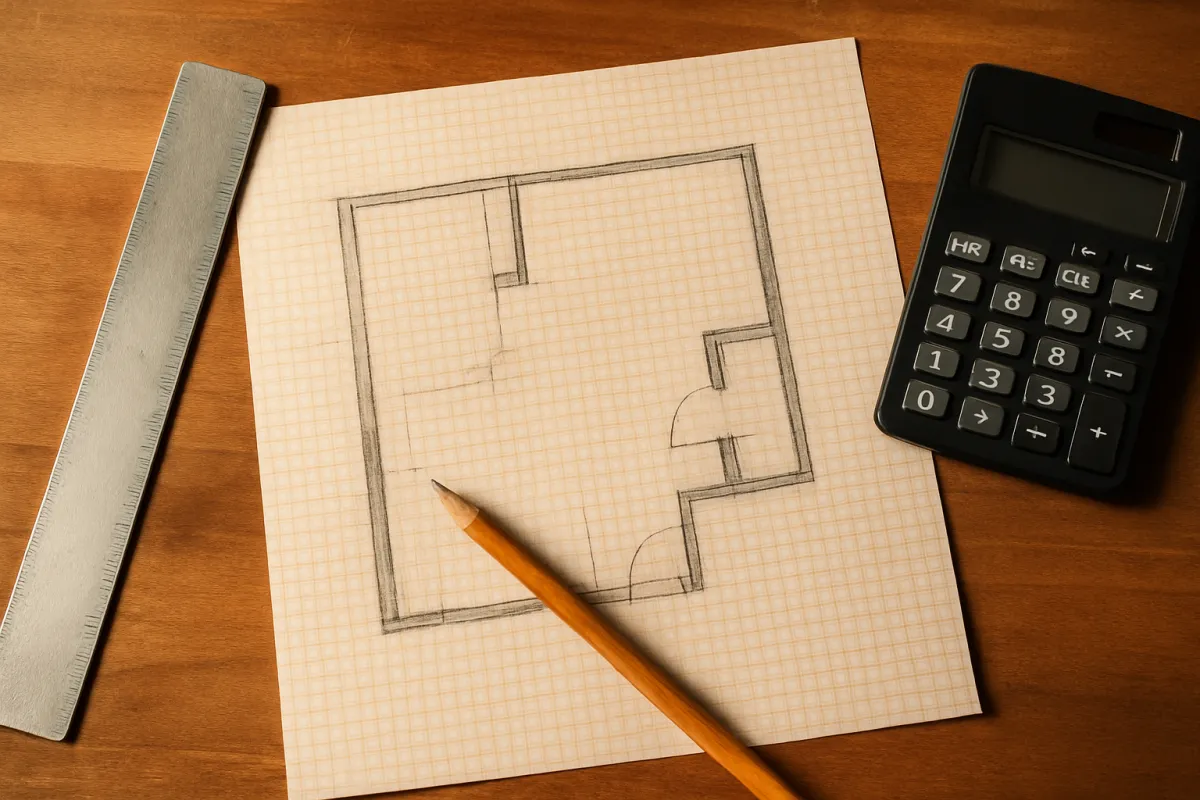
Grouping windows by size and type on your schedule also reveals volume discounts a contractor may offer for multiples of the same unit, since ordering five identical double-hung windows is more efficient for a manufacturer and installer than five different sizes and styles. Count twice if the house is older or has seen additions, since a missed window on the schedule is a missed line on the budget, not a rounding error. Measure each opening’s width and height at the rough opening where possible, or at the visible frame if that is all you can reach, and take both measurements at more than one point along each dimension, since an older frame that has settled over decades can be a half inch or more out of square from one side to the other, a detail an installer will re-measure before ordering but one that is worth knowing about early rather than discovering as a surprise change order.
Window type: how the operating style moves cost
Beyond material and size, how a window opens is its own cost factor, because different operating styles use different amounts of hardware and different manufacturing complexity for the same rough opening size. A double-hung window, with two sashes that slide vertically, is the most common residential style and sits at the baseline of the per-window rates in this brief. A single-hung window, where only the bottom sash moves, is mechanically simpler and sometimes a touch cheaper for the same size and material.
A casement window, hinged on one side and opened with a crank, costs a modest premium over a double-hung of the same size because of its hinge and crank hardware, and it is prized for sealing tightly against air infiltration when closed. A slider, moving horizontally rather than vertically, prices similarly to a double-hung. Picture windows, which do not open at all, can actually cost less per square foot of glass than an operable window of the same size, since there is no sash, hardware, or weatherstripping to manufacture, though they are almost always larger than a standard operable unit in practice, which usually erases that per-square-foot saving at the whole-window level. Match the operating style on your schedule to the style already in the opening unless you have a specific reason to change it, since changing style can also mean changing the rough opening.
Window size and shape beyond standard rectangles
Standard-size, single-pane-equivalent double-hung and slider windows anchor the per-window rates in this brief, but size and shape move the number meaningfully in both directions. A small bathroom or basement window, well under standard size, can sometimes cost less than the baseline figure, though a practical minimum labor cost applies no matter how small the unit is, since the crew still has to make a full trip and seal a full opening. Large picture windows, bay or bow window assemblies, and arched or custom-shaped units cost substantially more, commonly pushing a single opening well past 2,000 dollars, because they are effectively custom-manufactured rather than stock units.
Bay and bow windows carry an additional cost most people do not anticipate: they project outward from the house and need their own support structure and roof detail below them, which is structural work beyond a standard window swap. If your project includes any non-rectangular or projecting window, price that opening as its own line using a contractor’s actual quote rather than stretching the standard per-window rates in this brief to cover it.
Frame condition: the extra most estimates miss
A window’s own price and its installation labor are only part of the bill when the frame underneath it has decayed, and frame condition is the single factor most likely to turn an insert-priced estimate into a full-frame bill once the old window actually comes out. Wood rot at the sill, the horizontal piece the window sits on, is common wherever water has been getting past failing caulk or flashing for years, and it is frequently invisible from inside the house until the old unit is removed.
As an illustrative range, repairing a rotted sill or jamb and rebuilding the rough opening before the new window goes in adds 150 to 500 dollars or more per affected window, on top of the full-frame replacement cost that becomes necessary once the frame is compromised. There is no way to price this risk precisely from outside the wall, which is exactly why a contingency, covered later in this brief, belongs in every window budget rather than only in the ones that turn out to need it.
Trim, flashing, and finishing the opening
Finishing an opening after the new window is set is a smaller line than the window itself but a real one, and it differs meaningfully between insert and full-frame jobs. An insert replacement typically needs only interior caulk and touch-up, since the exterior trim and siding around the opening were never disturbed. A full-frame replacement needs new flashing to direct water around the opening, new exterior trim or brick mold, and often fresh caulk and paint to blend the new trim with the existing siding, an illustrative 50 to 150 dollars per window in materials beyond the window itself, with labor adding more.
Flashing is worth insisting on rather than treating as optional on any full-frame job, because it is the detail that determines whether water sheds away from the new window or finds its way into the wall cavity over the following years. A contractor who skips or shortcuts flashing to save a line item is saving in exactly the place a homeowner cannot inspect once the siding goes back on, which makes it worth asking about explicitly in any bid.
Labor’s share of an installed window
Labor is a genuinely large share of window replacement, often comparable to or larger than the materials cost itself, because each window is its own small construction project requiring careful removal of the old unit, precise setting and leveling of the new one, and sealing that has to perform for decades in direct weather exposure. An insert job is faster labor since the frame is already built and square; a full-frame job takes longer because it includes demolition, opening repair, and exterior trim work on top of setting the window itself.
Where the cost of an installed vinyl window goes
Illustrative split for a standard vinyl insert replacement; shares shift toward labor on full-frame and repair jobs.
A standard insert job leans toward the material cost since labor is comparatively quick; a full-frame or structural-repair job shifts this split heavily toward labor, which is why frame condition moves the total more than the window brand does.
Access is the other real labor variable: a second-story window, one behind dense landscaping, or one that needs scaffolding or a lift to reach safely all add time and sometimes equipment rental to the labor line, independent of the window itself. A ground-floor window a crew can reach directly from a ladder is the cheap case the baseline rates assume.
Energy-rated glazing and what it actually buys
An energy-performance rating on a replacement window describes how well that unit resists heat transfer and air leakage under standardized testing, and upgrading to a higher-rated package is a real, if usually modest, line item over standard glazing, commonly the 10 to 20 percent premium noted in the glazing section above for a triple-pane upgrade, plus a smaller premium for enhanced low-emissivity coatings or gas fills on double-pane units.
What this brief will not do is translate that rating into a dollar figure of annual energy savings, because the real savings depend on your climate, your home’s overall insulation and air sealing, your heating and cooling system, and your local energy prices, none of which a window price alone can predict. Treat an energy upgrade as a comfort and performance choice you are pricing honestly on its own merits, and look to your local utility or a qualified energy auditor for a savings estimate specific to your home rather than a generic claim.
Egress windows and bedroom requirements
A window serving a bedroom or a finished basement living space commonly has to meet an egress requirement, a minimum opening size and sill height set by the code adopted in your area, so occupants can escape and firefighters can enter in an emergency. This brief will not state a specific minimum dimension, because egress requirements vary by code edition and jurisdiction and change over time, which is exactly the kind of time-sensitive rule that belongs to your local building department rather than a general materials brief.
What matters for your budget is the mechanism: if an existing bedroom or basement window does not meet the egress minimum your jurisdiction currently requires, and your project triggers a review of that requirement, bringing it up to code can mean enlarging the rough opening, which turns a straightforward swap into a structural project with header and framing work well beyond a standard window price. Confirm with your building department whether your specific project triggers an egress review before pricing a bedroom or basement window as a simple like-for-like replacement, since that single question can be the difference between a few hundred dollars and several thousand on one opening.
A worked example: a 10-window whole-house project
Put the method together on a common whole-house case: 10 standard-size double-hung windows, all with sound existing frames, replaced as vinyl inserts with standard double-pane glazing. At the illustrative 450 dollar per-window midpoint for a vinyl insert, the base figure is about 4,500 dollars. Add a modest allowance for trim touch-up and caulk at each opening, an illustrative 500 dollars across the project, and the planning total lands near 5,000 dollars before any surprises.
Now flex the levers one at a time. If two of the ten windows turn out to need full-frame replacement for a rotted sill, each of those jumps from roughly 450 to 700 dollars plus an illustrative 300 dollars of frame repair, adding about 1,100 dollars to the project. Upgrade the whole project to fiberglass at 900 dollars per window instead of vinyl, and the base figure alone rises to 9,000 dollars. Swap one standard unit for a large picture window at 2,000 dollars, and that single opening alone adds roughly 1,550 dollars over what the standard unit would have cost. The window count never changed; every swing came from material, frame condition, and the one non-standard opening, which is the entire lesson of this brief. Price your own count and mix in the companion below.
What drives window replacement cost beyond the window
Beyond material, method, and frame condition already covered, a few more factors move a real bid. Regional labor rates and seasonal demand affect installation pricing the way they affect every skilled trade, so the same project can bid differently in different markets and times of year. Permit requirements vary by jurisdiction and by whether the replacement changes a window’s size or the structural opening; confirm with your local building department before assuming a swap needs no sign-off.
Whether the project replaces every window at once or phases the work across seasons also matters financially: a single mobilization for a whole-house project commonly earns a modest per-window discount and means one disruption instead of several, while phasing spreads the cost but repeats the crew’s setup cost each time. Weigh that trade-off against your actual budget and urgency rather than assuming either path is automatically cheaper.
DIY vs hiring a window replacement
Window replacement sits closer to the “hire it” end of home projects than many remodeling tasks, and the reasons are structural rather than skill-based alone. A window that is not set level, plumb, and properly sealed will leak air and eventually water, and that failure is often invisible until it has already damaged the surrounding wall, which is a far more expensive problem than the installation would have been to do right. Full-frame work in particular, with its flashing and structural opening repair, carries real consequences for a mistake.
A confident, careful do-it-yourselfer can realistically handle a single ground-floor insert replacement into a sound, square frame with the right tools and some research, and the materials savings there are genuine since insert units are sold as complete, ready-to-set kits specifically for that market. Full-frame work, anything above ground level, and any window showing signs of existing water damage are better left to an installer whose callback liability depends on getting the flashing and seal right the first time.
Window replacement and the exterior work it can trigger
A full-frame window replacement rarely stays contained to the opening itself, and pricing it honestly means accounting for what happens around it. New exterior trim has to blend with whatever siding surrounds the window, and on an older house that can mean patching or repainting a wider area than the window alone, since fresh trim next to decades-old siding paint rarely matches without some blending work. Our exterior painting cost brief prices that touch-up labor if a full-frame project leaves visibly fresh trim against older paint.
On a house finished in vinyl, fiber cement, or wood siding, a full-frame replacement that changes a window’s size, even slightly, means cutting and patching the siding course around the new rough opening, a detail easy to miss when pricing the window alone. Our siding installation cost brief covers that per-square-foot patch cost if your project includes a resize. Keeping the new window the same size as the old one, even during a full-frame replacement, avoids this cost entirely and is worth confirming with your installer before committing to a different size.
Common window replacement cost mistakes
A handful of mistakes recur often enough in window budgets to name directly. The first is pricing from a single “average cost to replace a window” figure pulled from a headline rather than from your own counted schedule sorted by material and method, which produces a number that fits no real house particularly well. The second is comparing a materials-only quote from a retailer against a fully installed quote from a contractor as though they were the same number; confirm explicitly what each bid includes before setting one against another, the same discipline our how to write a contractor estimate manual applies to any trade.
The third is assuming every window in the house needs the same treatment, when a quick frame check commonly reveals that most openings are fine for an insert while one or two near a roofline or a downspout have taken water damage and need full-frame work. The fourth, and the costliest to discover late, is skipping the contingency entirely and treating the baseline per-window rate as a guarantee rather than a planning figure, which turns the first rotted sill into a budget crisis instead of an expected, absorbed cost. Naming these four before pricing a single window is cheap insurance against all of them.
Seasonal timing and scheduling
Window replacement labor, like most skilled trade work, has a calendar, and timing a project around it can move the price without changing a single material choice. Spring and early summer are typically the busiest season for window contractors in most climates, since homeowners want the work done before winter weather returns, and busy calendars support firmer, sometimes higher pricing. Late fall and winter, when crews have more open schedule time, can be a better season to negotiate, provided the work can proceed safely in the local climate and the project does not leave openings exposed to weather for long between removal and installation.
Scheduling also interacts with the insert-versus-full-frame decision from a risk standpoint: an insert replacement leaves the exterior structure untouched and closes up again quickly, while a full-frame job opens the wall to the elements for longer and is riskier to schedule right before a severe-weather season. Our how to estimate materials for a project manual covers the general discipline of sequencing a project around weather and trade availability, which applies to windows as much as any other exterior work.
Building in a contingency
Because frame condition cannot be fully known until the old window comes out, every window replacement budget should carry an explicit contingency rather than assuming the baseline per-window rate will hold for every opening. An illustrative 10 to 20 percent above your calculated base total is a reasonable planning allowance, scaled up if the house is older, has a history of water intrusion, or if several windows show visible signs of rot or failed seals during your initial walk-through.
Track the contingency as its own line rather than folding it invisibly into the per-window rate, so you can see clearly, as the project proceeds, how much of that allowance frame repairs have actually consumed. A project that finishes under its contingency is a pleasant surprise; one that has no contingency at all is a project where the first rotted sill becomes an unplanned, stressful conversation about money instead of a budgeted line.
From count to total: the method
Turning the rates in this brief into your own planning number is four steps. First, build your window schedule: every opening, its approximate size, its type, and a visual note on frame condition. Second, sort each window into insert or likely full-frame based on that condition check, since this is the single decision that most affects its individual price. Third, pick your material, vinyl, fiberglass, or wood, and multiply each window by its illustrative per-window rate for that material and method, summing the list rather than averaging a single number across the whole project.
Fourth, add for what the schedule cannot see: trim and finishing materials, any non-standard or large openings priced on their own, and a contingency of an illustrative 10 to 20 percent for frame conditions that only reveal themselves once work begins. The result is a defensible starting expectation built from your actual windows rather than a single borrowed number, and the companion below runs this entire method on your own count as you read.
The bottom line
Window replacement cost comes down to counting first and pricing second: the number of windows, the method each one needs, insert or full-frame, and the material chosen for each. Carry the illustrative rates, 300 to 600 dollars per window for a vinyl insert up through 1,200 to 2,500 for wood or large custom units, and multiply by your real, counted schedule rather than a guess at house size. Remember that frame condition, not the window brand, is what most often turns a modest estimate into a larger bill, which is why a contingency belongs in every window budget from the start. Build your schedule, price it in the companion below, run the per-window math through the estimator, and collect written bids that state clearly whether each line is an insert or a full-frame job before comparing any two numbers against each other. A schedule built this way also survives contact with a contractor’s own walkthrough, since you are handing over a counted, sorted list rather than a verbal impression of “most of the windows upstairs,” and a bidder who can check your numbers against their own measurements tends to return a tighter, more trustworthy quote than one working from a vague description alone.
This materials breakdown is workbench education for planning a window replacement budget, not a quote, a design, or a construction specification. Every dollar figure above, per window, per material, and per method, is an illustrative planning number, and your frame condition, window sizes, glazing choices, region, and access will each move a real bid, sometimes substantially. Structural opening repair, flashing, and any change to a window’s size or a load-bearing wall are construction decisions that depend on your specific house and may be governed by local codes or permit requirements, so confirm scope with a qualified contractor and your building department rather than estimating structural work from a general article. Build your actual budget on current written bids from local contractors, not on any single figure printed here.
Frequently asked questions
How much does it cost to replace windows?
As an illustrative planning range, window replacement commonly runs 300 to 1,200 dollars per window installed, with the material, the glazing, and whether the frame is a simple insert or a full tear-out-and-reframe replacement driving where a given window lands. Vinyl windows anchor the economical end, fiberglass and composite sit in the middle, and wood or large custom units push toward the top. A common 10-window whole-house project at a mid-range vinyl insert price near 500 dollars per window lands around 5,000 dollars, before any structural or trim surprises the old frames can hide.
How much does it cost to replace a window per window?
Per-window cost is the most useful unit for this project because window count, not house square footage, drives the total. As illustrative installed figures, a standard vinyl insert replacement runs 300 to 600 dollars per window, a vinyl full-frame replacement with new exterior trim runs 500 to 900, fiberglass or composite runs 600 to 1,200, and wood or large custom units run 800 to 2,500 or more. Multiply your real per-window rate by your window count for a base figure, then add for any windows needing structural repair, which the next sections price.
What is the difference between an insert and a full-frame window replacement?
An insert, sometimes called a pocket replacement, fits a new window into the existing frame, leaving the old frame, the exterior trim, and the siding around it undisturbed. It is faster, cheaper, and less invasive, and it is the right call when the existing frame is sound. A full-frame replacement removes the old window down to the rough opening, including the old frame and often the exterior trim, and is necessary when the frame is rotted, out of square, or when you want to change the window's size. Full-frame work costs more in both materials and labor because it is genuinely more construction, not just a swap.
Is vinyl or wood better for window replacement, and which costs more?
Vinyl is the economical, low-maintenance default for most window replacements, resistant to rot and requiring no painting, and it is why vinyl anchors the bottom of the cost range in this brief. Wood offers a traditional look and can be painted to match an exact trim color, but it costs more up front and needs ongoing maintenance, paint or stain, to keep moisture out, which is a real ownership cost beyond the purchase price. Fiberglass and composite sit between the two, offering wood-like appearance or performance with less maintenance than real wood, at a price premium over vinyl. The right material is as much about maintenance tolerance and appearance as it is about the sticker price.
Does window replacement cost include installation?
Not automatically, and conflating the two is a common way a window budget comes up short. The per-window figures in this brief are illustrative installed costs, meaning the window unit plus labor to remove the old one and set the new one, but a window-only price from a retailer or a big-box store often reflects materials alone. Installation labor commonly runs a meaningful share of the installed total, more if the opening needs reframing or the exterior trim and flashing have to be rebuilt. Always confirm with any quote whether a number is materials-only or fully installed before comparing it to another bid.
How many windows does a typical house have, and does replacing them all at once save money?
Window count varies enormously by house size and style, commonly somewhere from 8 to 20 or more in a typical single-family home, so counting your actual openings is the only reliable way to size this project rather than assuming a typical number. Replacing all of them in one project commonly earns a modest per-window discount from a contractor who mobilizes once instead of many times, and it also means one disruption to your home instead of several spread over years. The trade-off is a larger up-front bill all at once; a phased approach, prioritizing the worst-performing or most drafty windows first, spreads the cost but loses some of the bulk pricing and repeats the mobilization cost each round.
What drives window replacement cost beyond the window itself?
Beyond the unit and its glazing, the biggest swing factors are frame condition, which decides insert versus full-frame work, window size and shape, since large, arched, or custom-shaped units cost more than a standard rectangle, and access, since a second-story or hard-to-reach window takes more labor and sometimes equipment than a ground-floor one. Energy-rated glazing packages add a real but usually modest premium over standard double-pane glass. Finally, the market itself matters: skilled installation labor is priced regionally and seasonally, so the same project can bid differently in different markets and times of year.